
Introduction
Imagine standing by your favorite fishing spot, the sun rising over the water, as you prepare to cast your line. You’ve got your tackle box ready, but there’s one thing that can make or break your day on the water: your fishing gear setup. Among the most effective tools in your arsenal are jigs, specifically the Croch Bass Jigs Set, Fishing Jigs and Jigs Skirts. In this guide, we’ll walk you through how to get the most out of your jigs, ensuring that you catch more fish and enjoy your time on the water.
This post contains affiliate links, which means we may receive a commission if you make a purchase using one of these links at no extra cost to you.
What You’ll Learn
In this article, you’ll discover:
- How to effectively set up your jigs for bass fishing
- The importance of jig selection and customization
- Common mistakes to avoid and tips for anglers of all skill levels
- Pro tips for enhancing your fishing experience
Step 1: Understanding Your Jigs
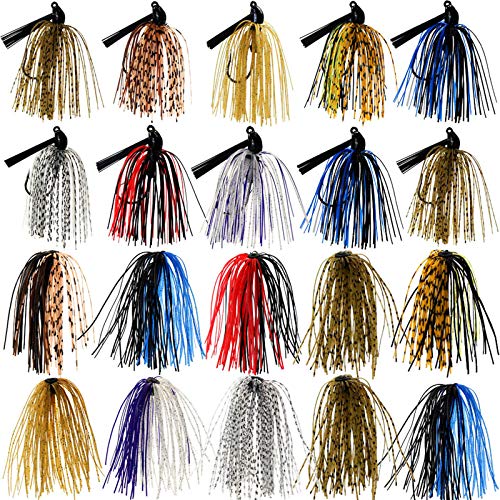
Before you start fishing, it’s important to understand the tools you are working with. The Croch Bass Jigs Set contains 20 pieces: 10 bass fishing jigs (3/8 oz) and 10 jig skirts (50 strands, 5.12 inches). The silicone jig skirts with tiny pearl flakes are designed to attract fish, making them ideal for flipping, skipping, or using as a swim jig.
Understand the weight of your jigs. A 3/8 oz jig is often a good starting point for bass, as it can be effective in various water conditions. Heavier jigs can be used in windy conditions or deeper waters, while lighter jigs are more suitable for shallow or calm waters. Adjusting your jig weight according to the environment is crucial for success.
Step 2: Assemble Your Gear
Now that you understand your jigs, it’s time to prepare your fishing gear setup. Here’s how to do it:
- Choose your fishing rod and reel. A medium-heavy rod paired with a baitcasting reel is ideal for jigs.
- Attach a swivel to your main line to prevent line twist.
- Tie your jig to the end of the line using a strong knot, such as the Palomar knot, which is easy to tie and secure.
- Add your jig skirt by threading it onto the jig head, ensuring it sits snugly against the head. This enhances its appeal to fish.
By assembling your gear correctly, you ensure that your setup is both functional and effective. A well-assembled rig can increase your chances of a successful catch.
Step 3: Choose Your Location
Finding the right spot is as important as having the right gear. Look for areas where bass are likely to hide, such as:
- Underneath docks or piers
- Near submerged structures like rocks or fallen trees
- In weedy areas or around lily pads
Targeting these locations will increase your chances of encountering fish. Remember, bass often ambush prey, so consider how you can present your jig to mimic natural movement.
Step 4: Master Your Technique
Once your gear is ready, it’s time to fish. Here’s how to effectively use your jigs:
- Cast your jig near cover where bass might be hiding. Allow it to sink to the desired depth.
- Use a slow, steady retrieve, occasionally pausing to let the jig flutter. This mimics the movement of injured prey, drawing more attention from bass.
- Experiment with different techniques, such as flipping or skipping your jig under structures, to see what works best in varying conditions.
The technique you choose can significantly impact your success. Understanding how to present your jig is key to enticing bass.
Common Mistakes and Troubleshooting
Even seasoned anglers can fall into traps. Here are common mistakes and how to avoid them:
- Not varying your retrieve: If you’re not getting bites, try changing your speed or technique. Bass can be finicky and may respond better to different presentations.
- Using the wrong weight jig: If you’re not feeling the bottom or getting snagged often, switch to a lighter or heavier jig based on the water conditions.
- Ignoring weather conditions: Bass behavior changes with weather. On cloudy days, they may be closer to the surface, while on sunny days, they might go deeper.
Learning from these mistakes can help refine your skills and improve your catch rate.
Pro Tips for Advanced Results
- Consider using colors that mimic local forage. Experimenting with different jig colors and skirt combinations can make a significant difference.
- Pay attention to the water temperature. Bass are more active in warmer waters, and adjusting your fishing times to when the water is warmest can lead to better results.
- Invest in a quality tackle box to keep your jigs organized and easily accessible. A well-organized setup saves time and keeps you focused on fishing.
Conclusion
Fishing with jigs, particularly the Croch Bass Jigs Set, can be a rewarding experience. By understanding how to set up your gear, choosing the right locations, mastering your techniques, and avoiding common pitfalls, you can significantly enhance your fishing success. Remember, practice makes perfect. Each time you hit the water, you’re not just fishing; you’re learning and improving as an angler. So grab your jigs, find your spot, and enjoy the thrill of fishing!