Introduction
Imagine it’s a sunny Saturday morning, and you’re gearing up for a fishing trip. You arrive at the lake, only to realize your tackle box is a chaotic jumble of lures, hooks, and lines. Frustrated, you waste precious time trying to find what you need. This scenario is all too common for anglers, but it doesn’t have to be your reality. In this guide, I’ll show you how to set up your Plano 3-Tray Tackle Box with Dual Top Access effectively, ensuring you spend less time searching and more time fishing.
This post contains affiliate links, which means we may receive a commission if you make a purchase using one of these links at no extra cost to you.
What You’ll Learn
In this article, we’ll cover:
- The importance of organization in your fishing gear setup
- How to utilize the Plano 3-Tray Tackle Box effectively
- Common mistakes to avoid
- Pro tips for advanced anglers
By the end, you’ll be equipped with the knowledge to optimize your tackle box setup and enhance your fishing experience.
Step 1: Understanding Your Tackle Box
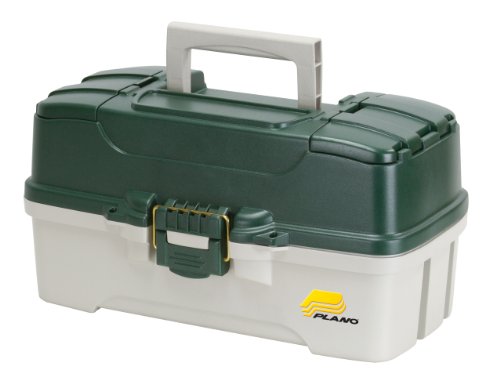
Familiarize yourself with the features of the Plano 3-Tray Tackle Box with Dual Top Access. It boasts three cantilever trays with 22-34 adjustable compartments, allowing for versatile organization. Additionally, it has bulk storage below for larger items and two top-access storage areas for quick access to your most-used items like hooks and lures. Understanding these features helps you maximize the efficiency of your fishing gear setup.
Step 2: Categorize Your Fishing Gear
Before you start loading your tackle box, categorize your fishing gear.
- Lures: Group by type (e.g., topwater, crankbaits, jigs).
- Hooks: Separate by size and type (e.g., circle hooks, treble hooks).
- Weights and Sinkers: Keep them in one compartment.
- Lines: Store them in bulk storage.
Categorizing not only saves time but also ensures you have everything you need for various fishing conditions.
Step 3: Utilize Adjustable Compartments
Once you’ve categorized your gear, it’s time to load the tackle box.
- Use the adjustable compartments to customize the space for your lures and hooks.
- Place the most frequently used items in the top-access areas for easy access.
- Store bulkier items like larger lures or extra spools of line in the bulk storage beneath.
This setup is essential because it allows you to quickly grab what you need without rummaging through the entire box.
Step 4: Labeling for Quick Identification
If you frequently fish in various locations, consider labeling your compartments.
- Use simple labels like “Topwater Lures” or “Hooks.”
- Alternatively, you can use colored tape or stickers to signify different categories.
Labeling helps you quickly identify where items are, saving time during your fishing trips.
Step 5: Regular Maintenance
Organizing your tackle box is not a one-time task.
- After each fishing trip, take a moment to clean and reorganize your tackle box.
- Remove any damaged hooks or lures and restock items that are running low.
- This habit ensures that your tackle box remains ready for any spontaneous fishing adventure.
Common Mistakes and Troubleshooting
As a fishing guide, I’ve seen many anglers make the same mistakes:
- Overpacking: Avoid cramming too much gear into your tackle box. Stick to essentials based on your fishing style and location.
- Ignoring Weather and Conditions: Modify your tackle setup based on the season and fish species. For example, use lighter lures in warmer months.
- Neglecting Maintenance: Failing to maintain your tackle box can lead to lost gear and wasted time. Make it a habit, and your future self will thank you.
Recognizing these common pitfalls will save you time and frustration on the water.
Pro Tips for Advanced Results
To take your fishing gear setup to the next level:
- Invest in additional Plano boxes for specific fishing trips (e.g., saltwater, freshwater).
- Consider a Garmin Striker Vivid 4cv for enhanced fishing experience. This fish finder can help you locate fish more efficiently, allowing you to focus on making the most of your setup.
- Experiment with different organizing strategies to find what works best for you.
Every angler is unique, and adapting your setup can lead to better results.
Conclusion
Organizing your Plano 3-Tray Tackle Box with Dual Top Access can transform your fishing experience from chaotic to efficient. By following these steps – understanding your tackle box, categorizing gear, utilizing compartments, labeling, and maintaining your setup – you can maximize your fishing gear setup. Remember, practice makes perfect, so take a little time before your next trip to fine-tune your tackle box. With patience and practice, you’ll become a more effective angler, ready to tackle any fishing challenge that comes your way!